
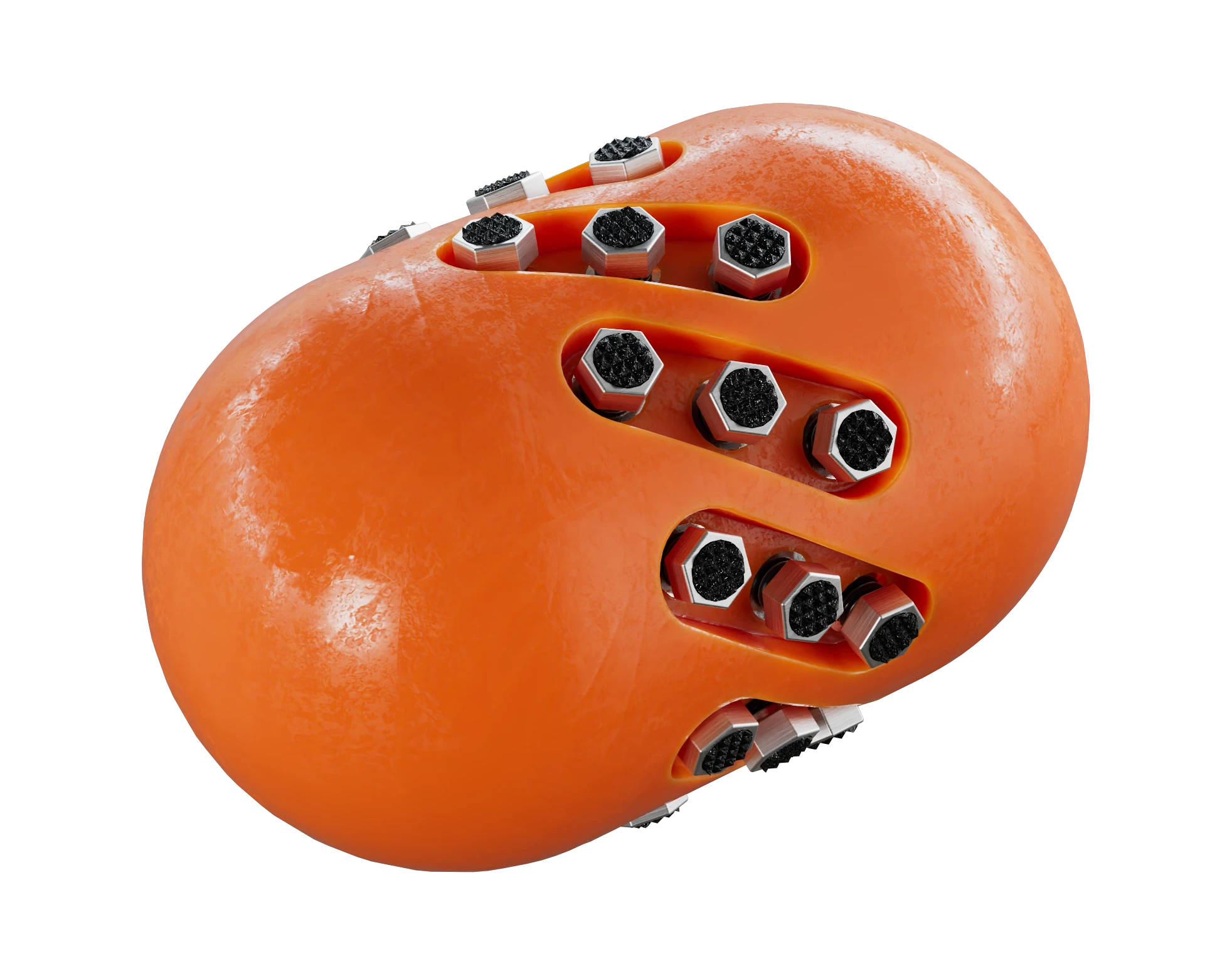
Fired heater performance is critical to refinery throughput and asset integrity. Over time, petroleum coke and other fouling materials can accumulate on the internal surfaces of process tubes and transfer lines, restricting flow, reducing heat transfer efficiency and increasing operating risk.
This form of fired heater fouling removal is a key aspect of effective fired heater maintenance decoking and long-term asset reliability.
Coke is formed as a thermally cracked fraction of hot oil products. As deposits build the resultant fouling compromises flow assurance and production rates by reducing the effective internal diameter of the tube and degrading the heat transfer coefficient. In order to ensure sufficient heat flux is transferred to the product the burner temperature must be increased resulting in increased fuel use, increased emissions and elevated tube skin temperatures.
In severe cases, fouling within fired heater tubes can lead to localised overheating, accelerating corrosion and increasing the probability of integrity threats such as creep damage and stress rupture. Without timely fired heater decoking, this can result in unplanned shutdowns or catastrophic failure.
The nature and morphology of fouling varies depending on the product, operating conditions and system design. In crude and heavy oil services, this typically presents as hard petroleum coke, sometimes combined with inorganic material. Historically, a range of industrial decoking services have been used to address this issue, although many legacy techniques carry inherent limitations and risks.
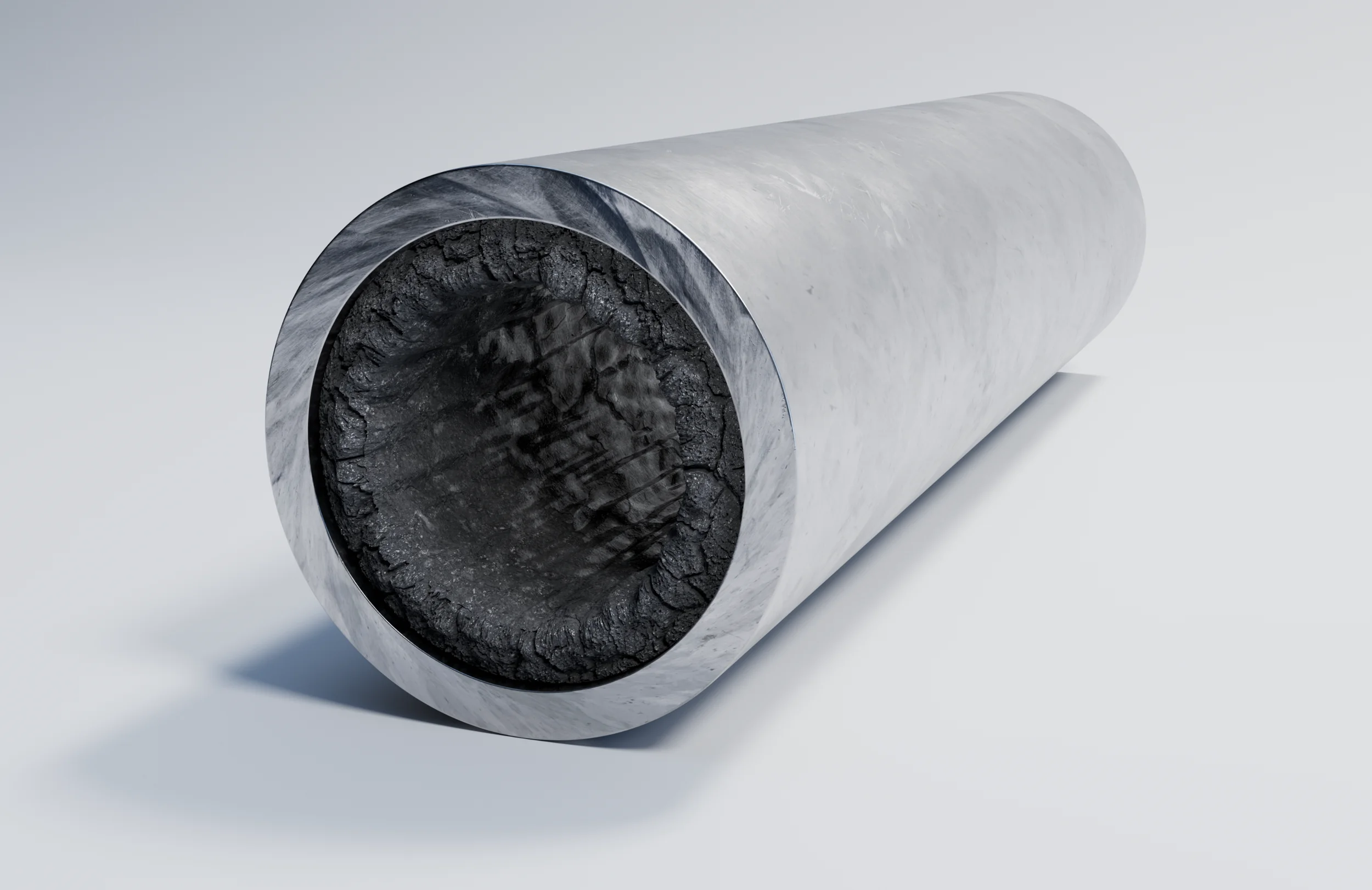
Mechanical pigging of fired heaters, has become the preferred approach across the industry for fired heater tube decoking.
Older techniques such as steam air decoking, spalling and hydroblasting can deliver inconsistent results, are highly dependent on tooling and operator skill and may introduce adverse side effects, including increased environmental load and the potential for asset damage.
With over 20 years of worldwide experience, Cokebusters is recognised as a fired heater decoking company delivering specialist industrial decoking services to refineries and process facilities around the world.
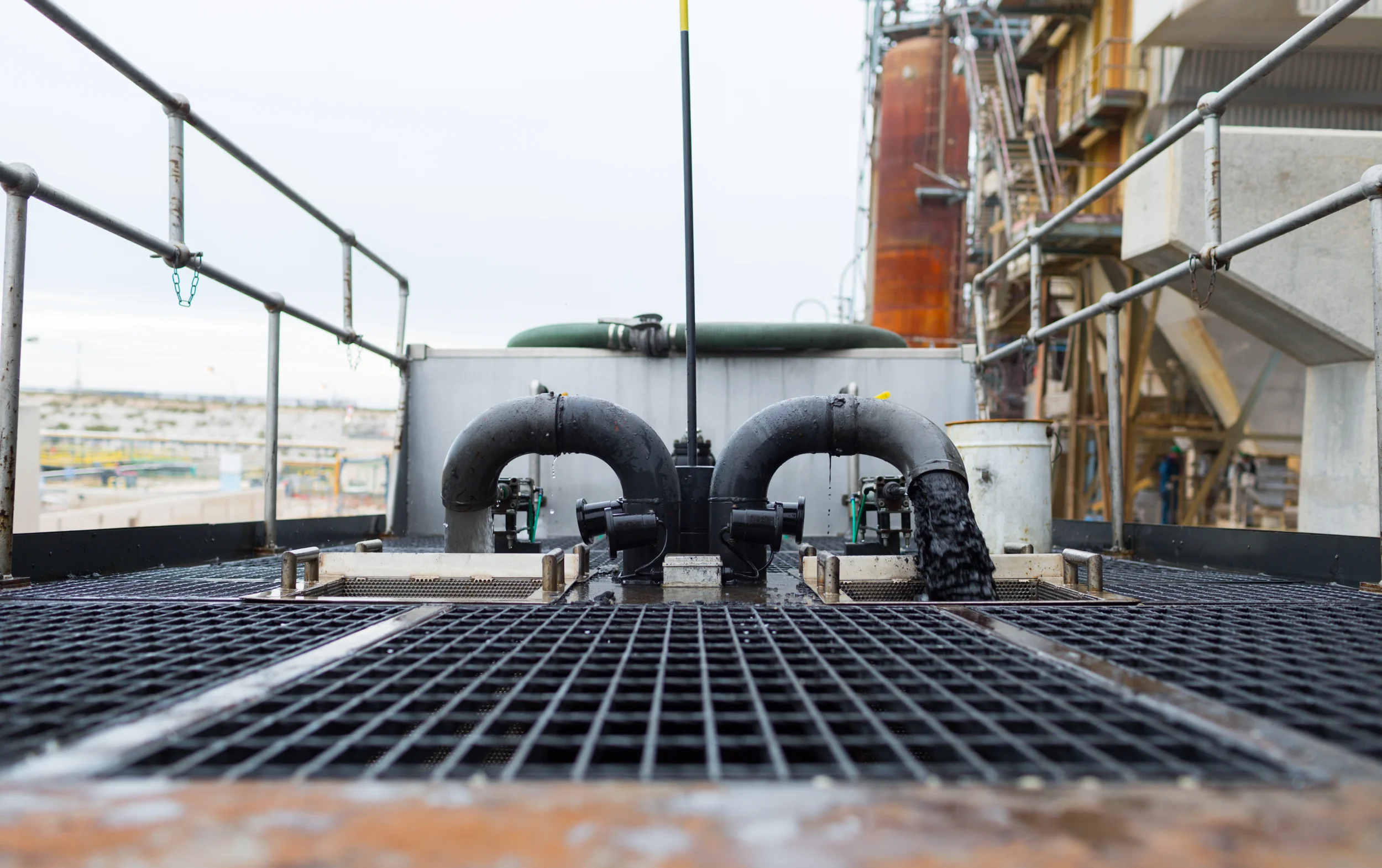
As a dedicated fired heater decoking contractor, our service-led approach involves connecting a purpose-built Double Pumping Unit to the fired heater tube circuit or transfer line. Incrementally sized mechanical scraper pigs are then propelled through the system using pressurised water flow supplied by the pumping unit.
Each decoking run progressively removes layers of coke and fouling, restoring internal bore condition in a controlled and repeatable manner. Operations are managed from the pumping unit’s on-board control room by experienced Cokebusters personnel, ensuring precise control throughout the mechanical decoking of fired heaters.
The use of water as the driving medium ensures that all debris is carried back to the pumping unit, where it is recovered through a two-stage filtration system for responsible handling and disposal. This closed-loop approach significantly minimises atmospheric losses and environmental impact.