
A loss of primary containment resulting in a process safety event is a risk well understood by owner/operators. When unmitigated, the consequences can include loss of life, damage to assets, production downtime, reputational harm and, increasingly, significant environmental impact.
Fundamental to preventing such events is the requirement to operate equipment within defined performance standards and to ensure that integrity threats are fully understood and effectively managed as part of a robust asset integrity management strategy.
Inspection and integrity management programmes play a critical role in barrier management and threat avoidance. While inspection is not a physical barrier in itself, it is a vital procedural control that underpins the management of all integrity threats — not only corrosion, but also erosion, cracking, deformation and other degradation mechanisms.
Without credible inspection data and informed assessment, operators are forced to make decisions based on uncertainty. This often results in excessive conservatism, inefficient maintenance planning or the acceptance of unquantifiable residual integrity risk.
To overcome these challenges, Cokebusters developed and patented the single-module intelligent smart pig.
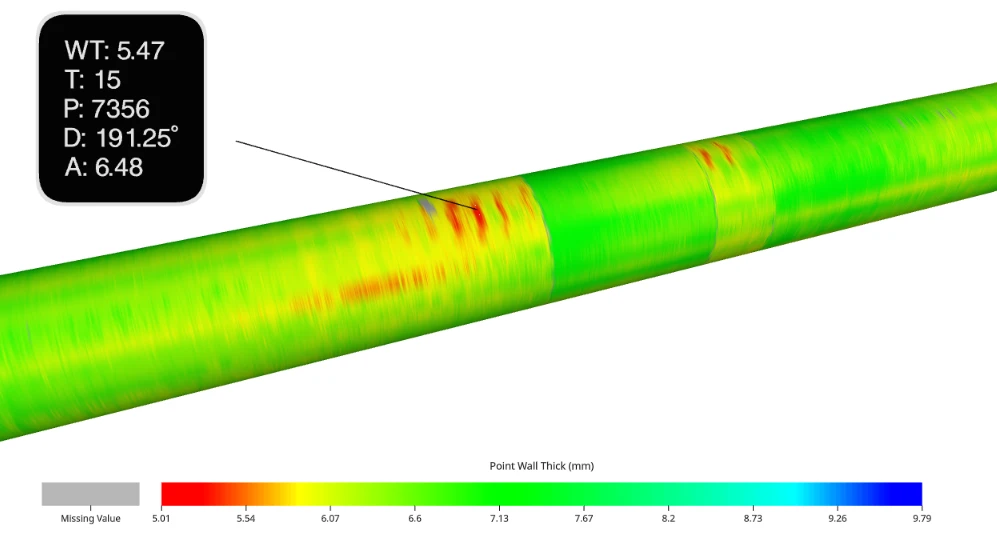
Cokebusters’ in-line inspection services generate a high volume of accurate, repeatable data that directly supports fitness-for-service analysis and remaining life evaluation. As the intelligent pig navigates the asset, it gathers a comprehensive inspection dataset configured specifically for the inspection campaign.
This data is cleaned, structured and analysed before being presented in clear tabular and graphical formats. The resulting integrity datasets allow for informed, calculative fitness-for-service evaluation, providing a far more representative view of the integrity envelope than traditional point thickness measurements alone.
Accurate critical thickness profiles can be developed, reducing unnecessary conservatism while maintaining safety, compliance and operational confidence.
Cokebusters delivers integrity management services that integrate inspection, assessment and engineering judgement.
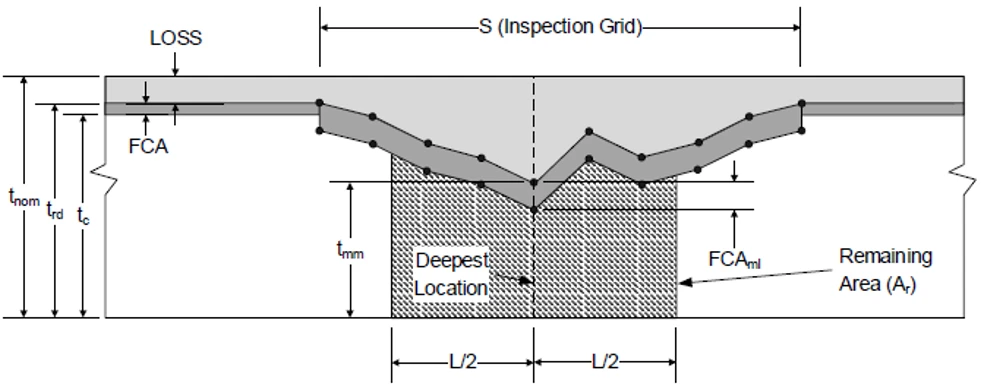
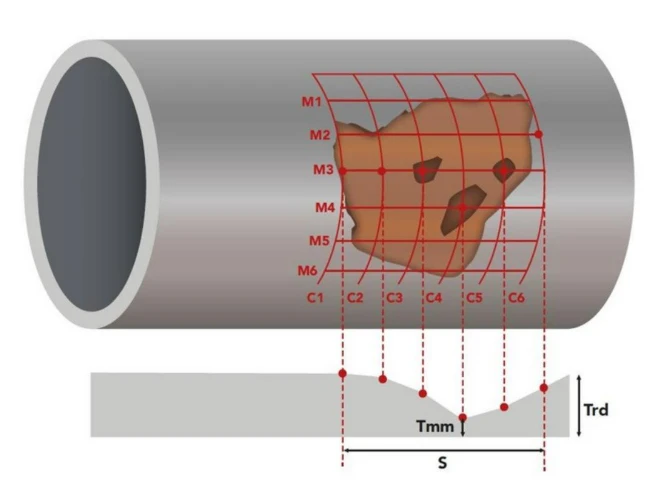
Fitness-for-service assessments are conducted in accordance with API 579 / ASME FFS-1 standards and tailored to the operational objectives and risk profile of the asset owner.
Cokebusters provides:
These assessments are used to determine an asset’s ability to continue safe operation until a defined future date – typically the next planned inspection interval – without premature component failure.
Beyond formal integrity fitness-for-service assessment, Cokebusters also provides competence in corrosion risk assessment and corrosion management. This supports informed, risk-based decision-making when setting inspection intervals, prioritising mitigation actions and implementing long-term integrity monitoring strategies.

In an era of increasing focus on sustainability and emissions reduction, effective integrity management plays a vital role in preventing unplanned releases and loss of containment.
Cokebusters works with customers to support integrity strategies that contribute to improved operational efficiency, reduced environmental risk and demonstrable performance against Scope 1 and Scope 2 greenhouse gas commitments.
By enabling informed fitness-for-service decisions, operators can safely extend asset life, avoid unnecessary replacement and reduce the environmental impact associated with reactive maintenance and unplanned failure.
Key Benefits