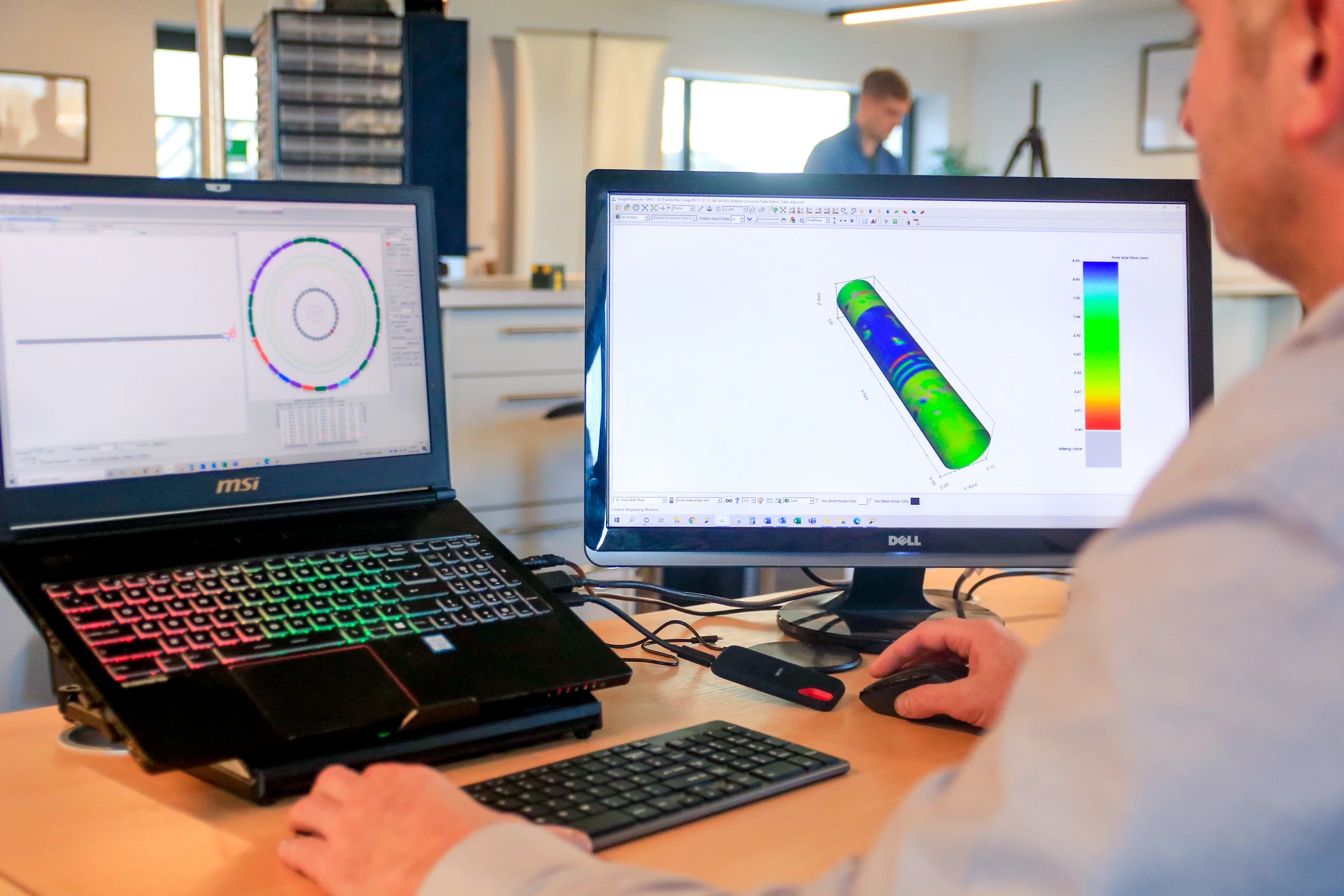
Understanding the remaining life of critical assets is essential for safe operation, effective planning and long-term value protection.
Increasingly, shareholders, insurers, reinsurers and prospective buyers are seeking higher levels of assurance that asset inventories are safe, sustainable and equitably valued. This requirement extends beyond day-to-day operations to include due diligence activities associated with asset transfer, portfolio optimisation and strategic transition planning.
Many organisations operate internal assurance processes and engage external specialists to support remaining life assessment and evaluation of residual or comparative risk. However, where inspection data is limited, incomplete or unavailable – particularly across historically unpiggable inventory – remaining service life assessments are often constrained by uncertainty and conservative assumptions.
Cokebusters is uniquely positioned to support asset remaining life assessment by providing an end-to-end capability that spans inspection, integrity analysis and independent assurance.
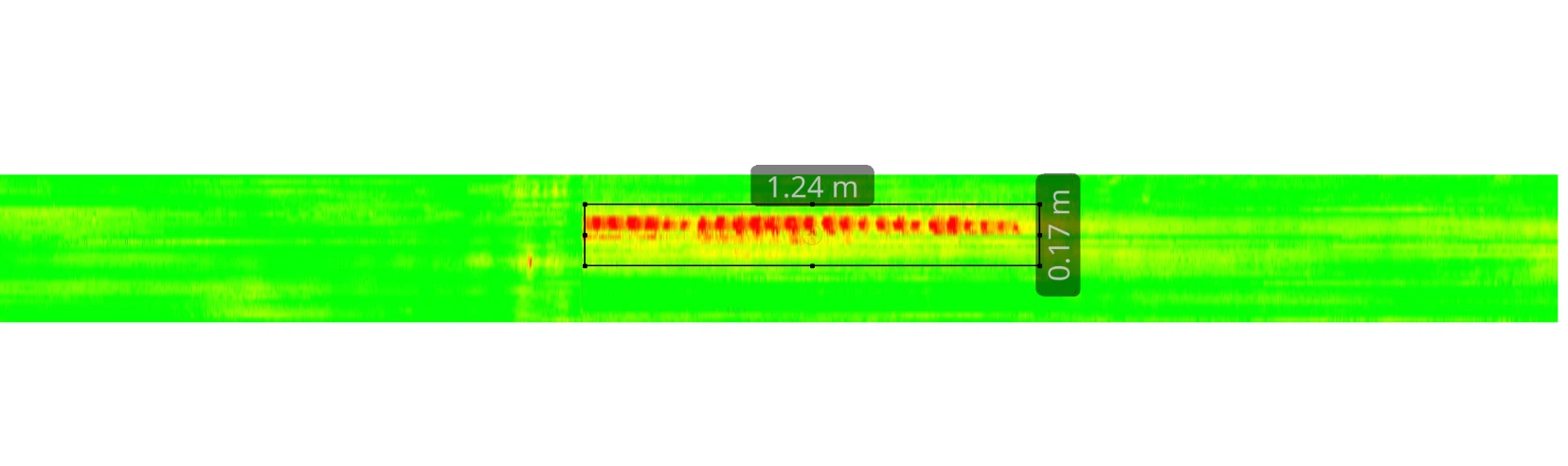
By combining high-quality in-line inspection data with recognised analytical methods, Cokebusters delivers remaining life analysis that supports informed, defensible decision-making. In addition, Cokebusters can provide first, second or third party assurance of inspection and integrity outcomes through its network of associates.
This flexibility allows remaining life evaluation services to be aligned with internal governance requirements, regulatory expectations or third-party due diligence processes.
Remaining life assessments can be used to:
Many operators have identified significant volumes of pipeline and piping inventory that has historically been considered unpiggable or uninspectable. This has resulted in areas of unquantifiable residual risk within operational portfolios and limited visibility for pipeline remaining life assessment.
Contributing factors often include:
Traditionally, unpiggable inventory was accepted as an unavoidable limitation. Cokebusters’ single-module intelligent pig design fundamentally changes this assumption.
By enabling inspection of previously inaccessible assets, Cokebusters brings unpiggable inventory into the realm of inspectability. This allows equipment remaining life assessment to be extended across a far broader portion of the asset base, significantly reducing portfolio-level uncertainty.
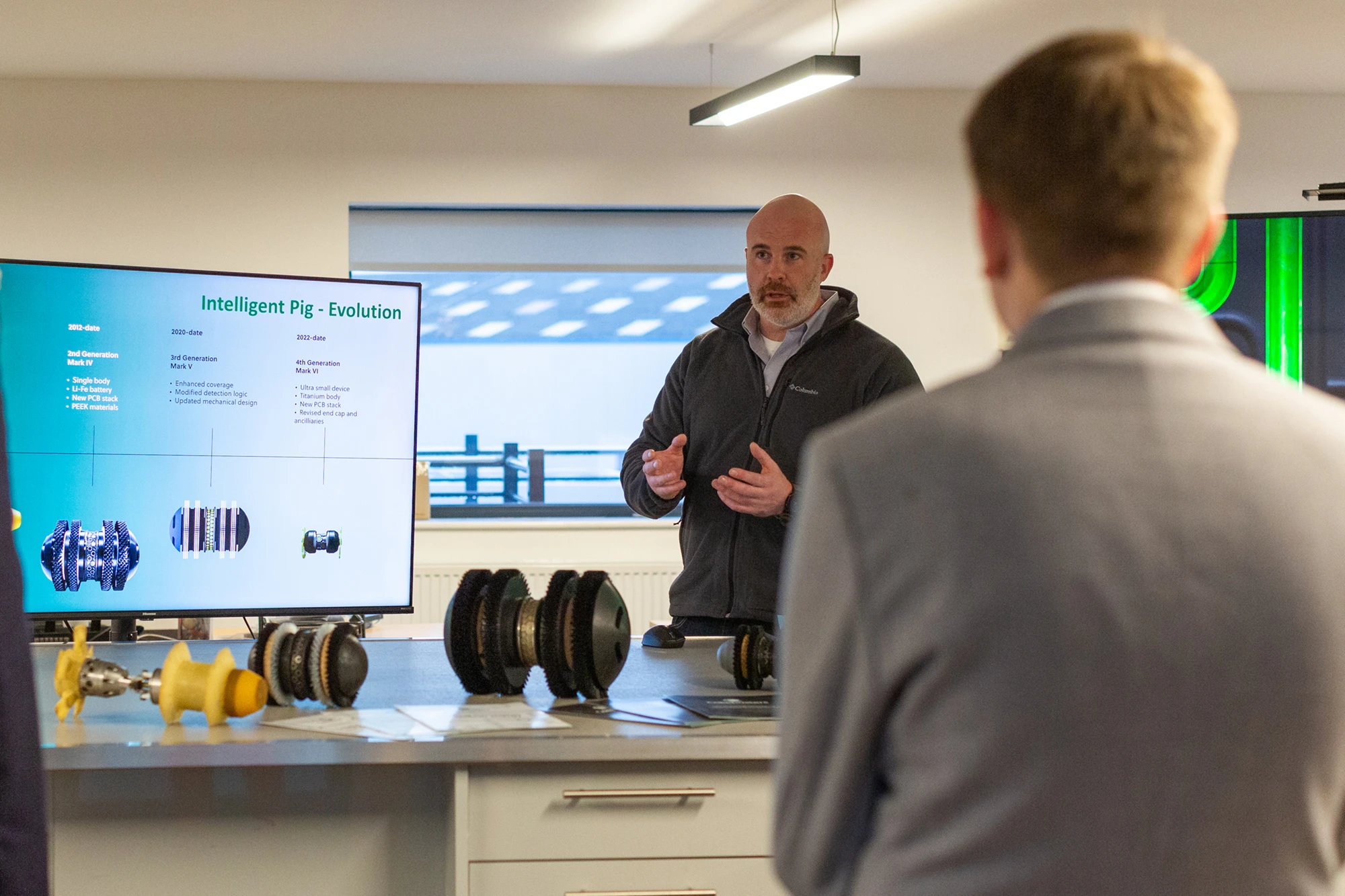
Cokebusters works collaboratively with owner/operators to identify elements of their inventory that can now be practically inspected and assessed.
Where gaps remain, our business model allows for collaborative investment in technology development to unlock additional inspection capability. This partnership-led approach supports long-term integrity strategy rather than short-term intervention.
Remaining life assessment services are delivered using credible inspection data, recognised analytical methodologies and experienced engineering judgement. The result is a realistic, defensible view of asset longevity, integrity risk and future inspection or mitigation requirements.